August 25, 2026
Traditional vs Modern Interior Design for Jumeirah Villas
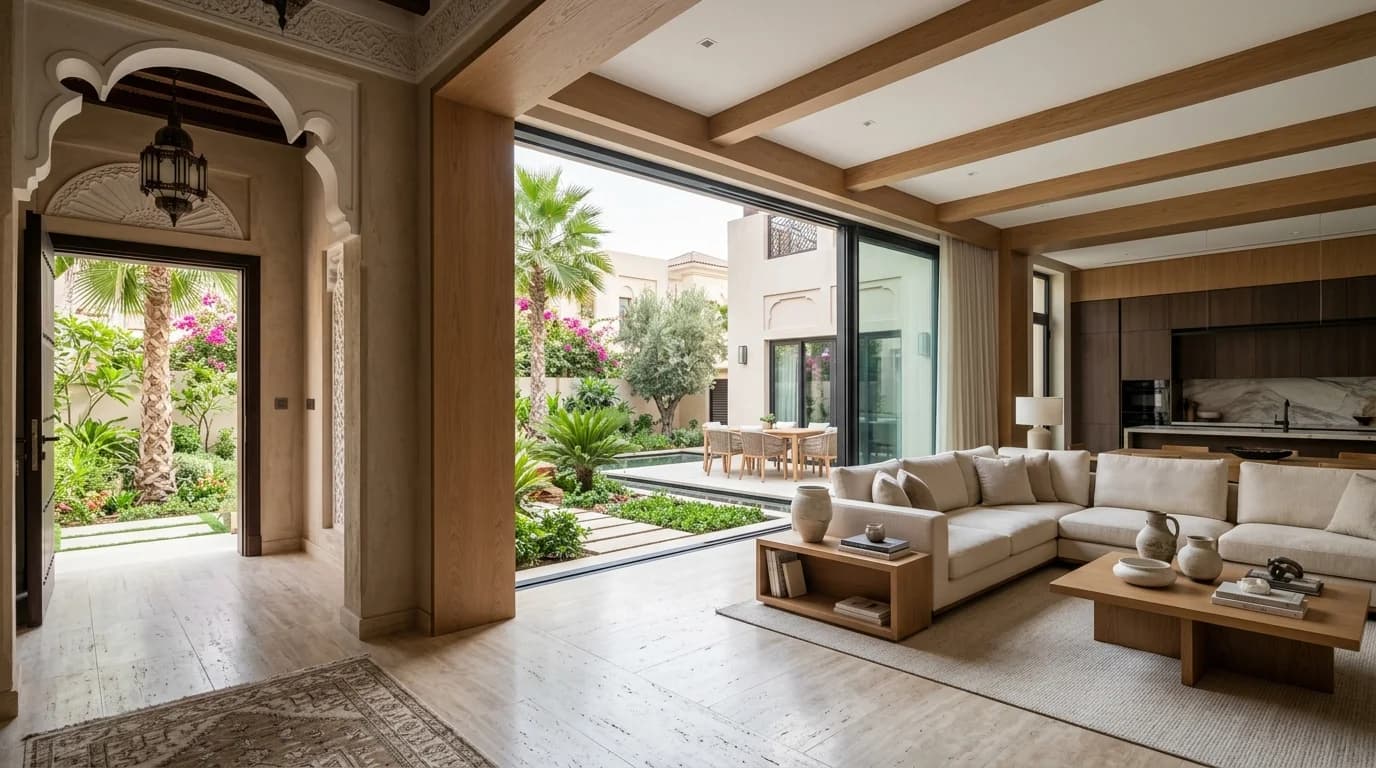
Jumeirah's villa streets hold two design instincts side by side. On one plot, a decades-old villa opens onto a shaded courtyard through a carved mashrabiya screen and an arched majlis doorway. Next door, a rebuilt home reads as glass, stone, and an open floor plan from the street. Traditional interior design favors ornament, craftsmanship, and cultural symbolism, while modern interior design favors restraint, light, and function. The right choice for a Jumeirah villa depends on the property itself, not just personal taste.
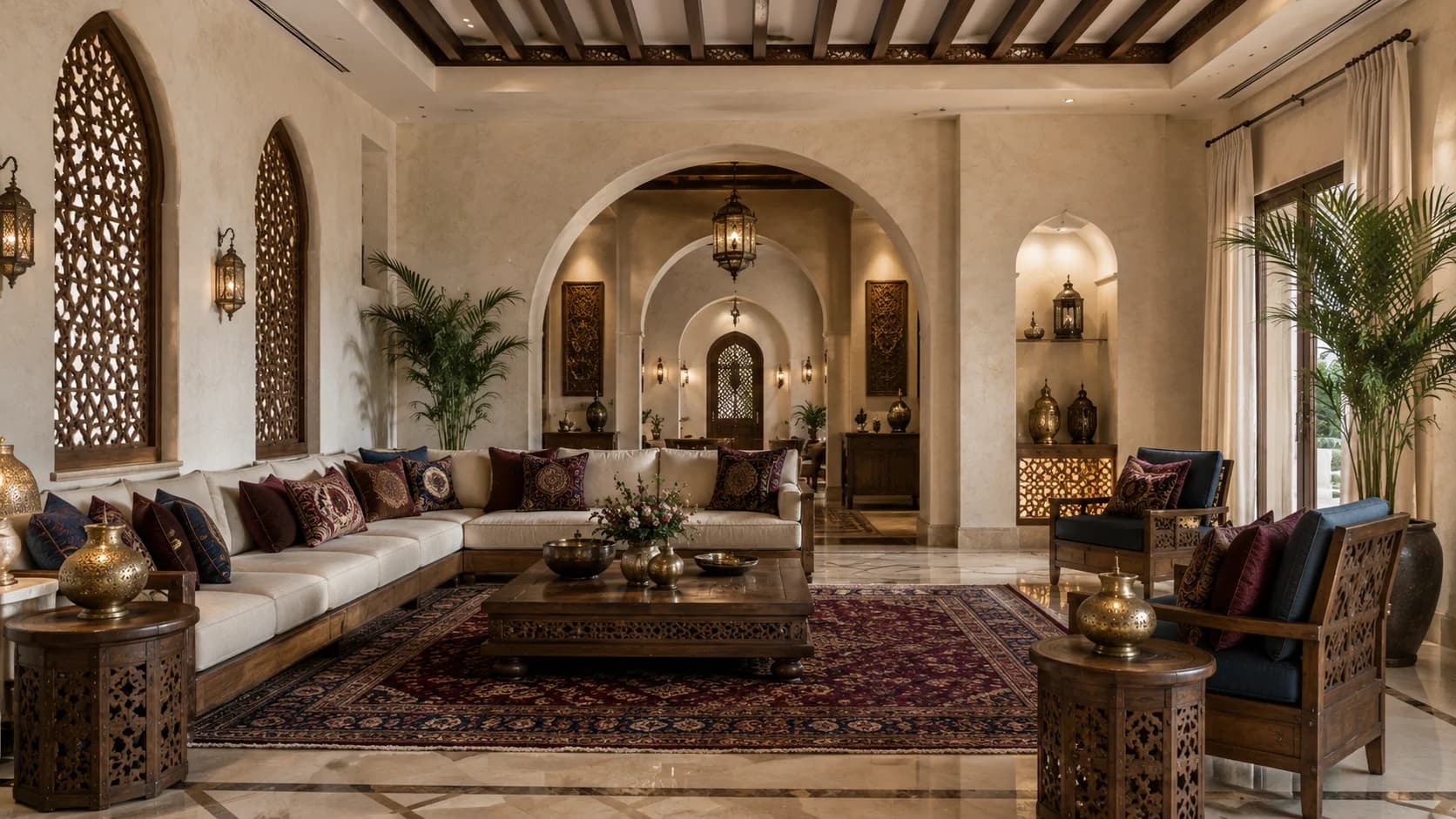
This guide compares both styles across Jumeirah, looking at how each works with different villa architectures, what each typically costs, and why many homeowners choose to blend the two. It's written by WE DO Interior Design & Fit-Out an ISO 9001, 14001, and 45001-certified Dubai interior design and fit-out company with 11+ years of experience and 250+ completed residential and commercial projects across the city.
Key Facts: Traditional vs Modern in Jumeirah
- Jumeirah is a low-rise coastal area consisting of Jumeirah, which have mostly villa-style residential streets.
- Traditional interior design focuses on the majlis, mashrabiya screens, arched entrances, and the use of a luxurious gold, burgundy, and jewel-tone color palette.
- Modern interior design in 2026 is moving beyond minimalist white. Open-plan layouts, floor-to-ceiling windows, and quiet luxury colour palettes are becoming increasingly popular.
- A complete villa interior design and fit-out project in Dubai can cost around AED 250,000 to AED 2,000,000+, depending on the villa size, scope of work, materials, and quality level.
- A typical project takes around 3–6 months.
- Most Jumeirah villa owners nowadays opt for a transitional design style that combines both styles.
Traditional Interior Design: Key Features and Characteristics
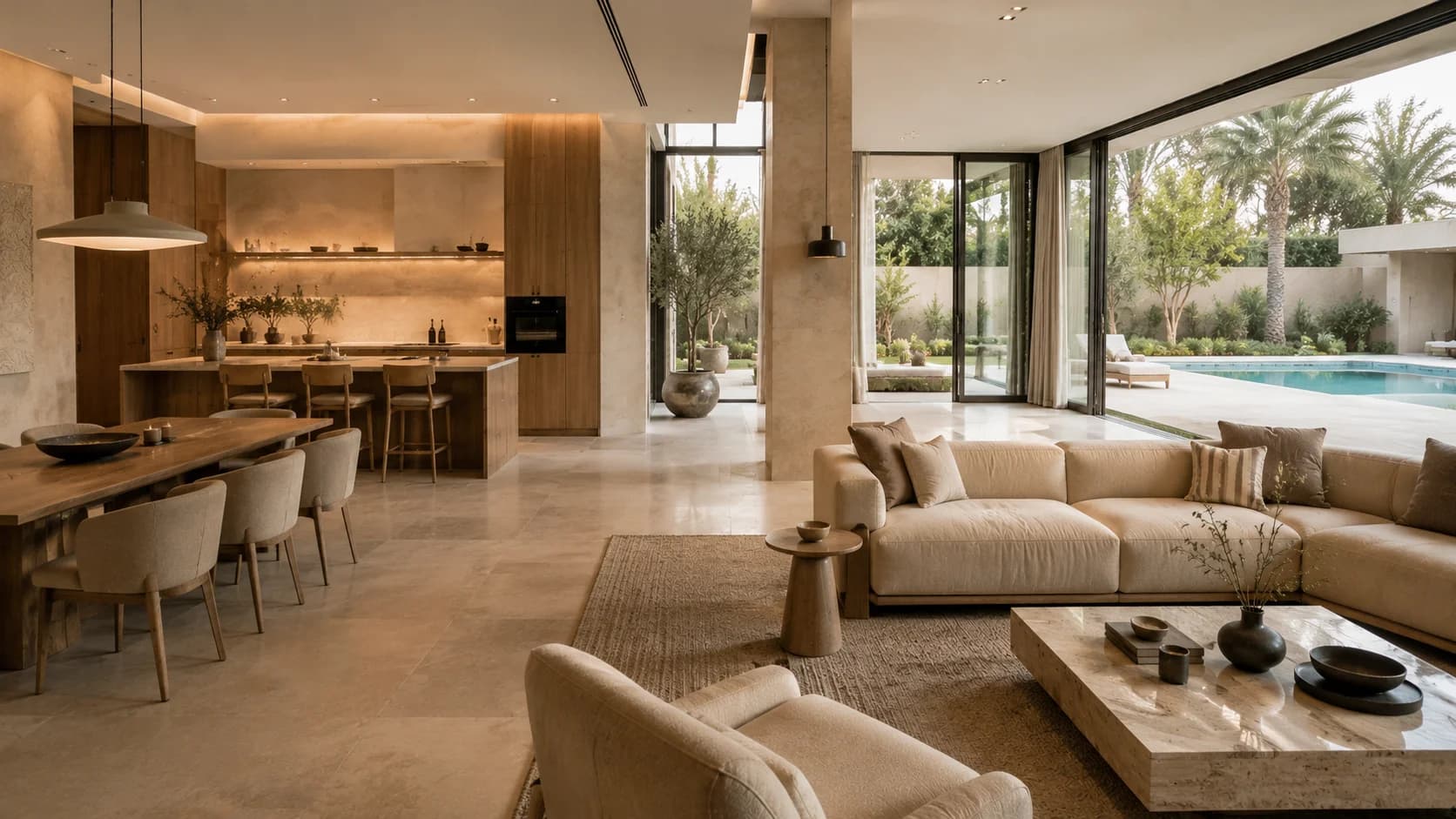
Traditional villa interiors in Jumeirah often draw on Arabic, Gulf, and Mediterranean influences, an approach that can be incorporated into a broader interior design in Jumeirah strategy.
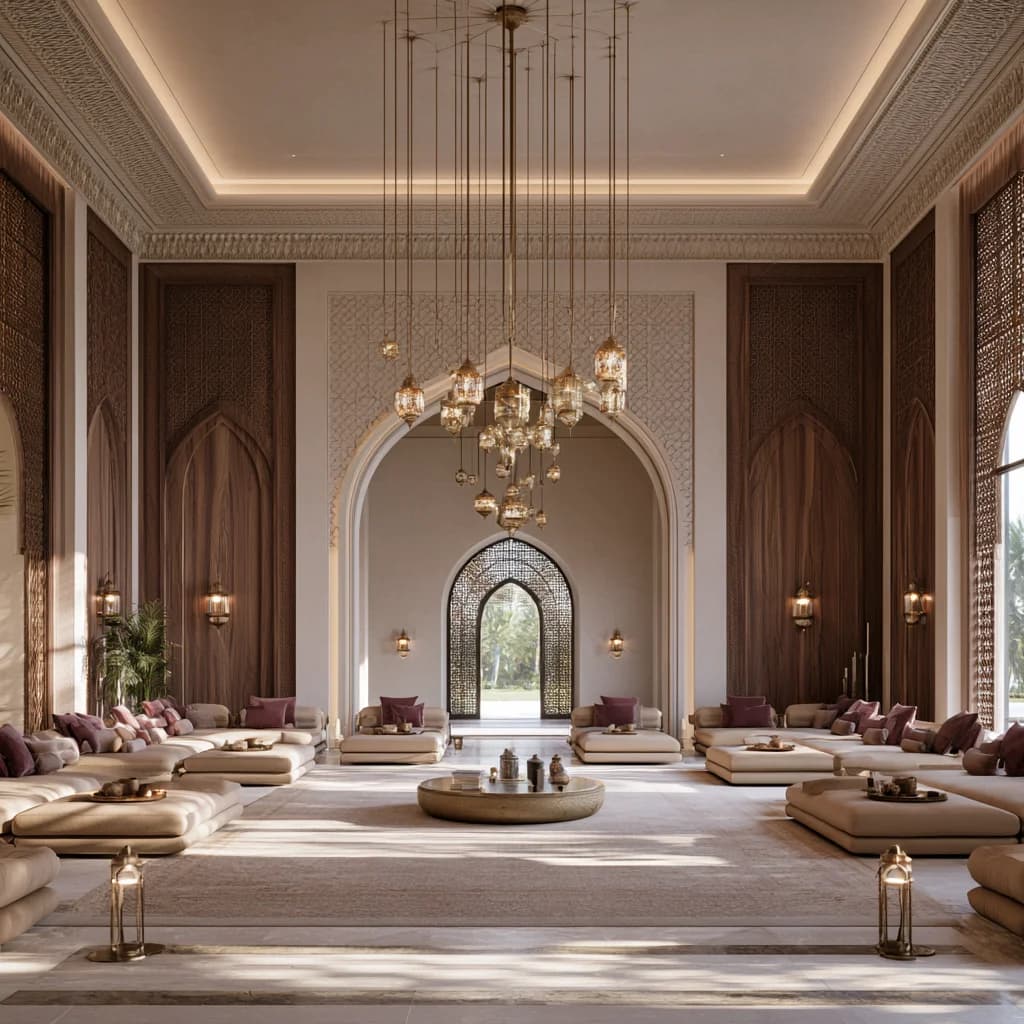
The Majlis as the Anchor Room
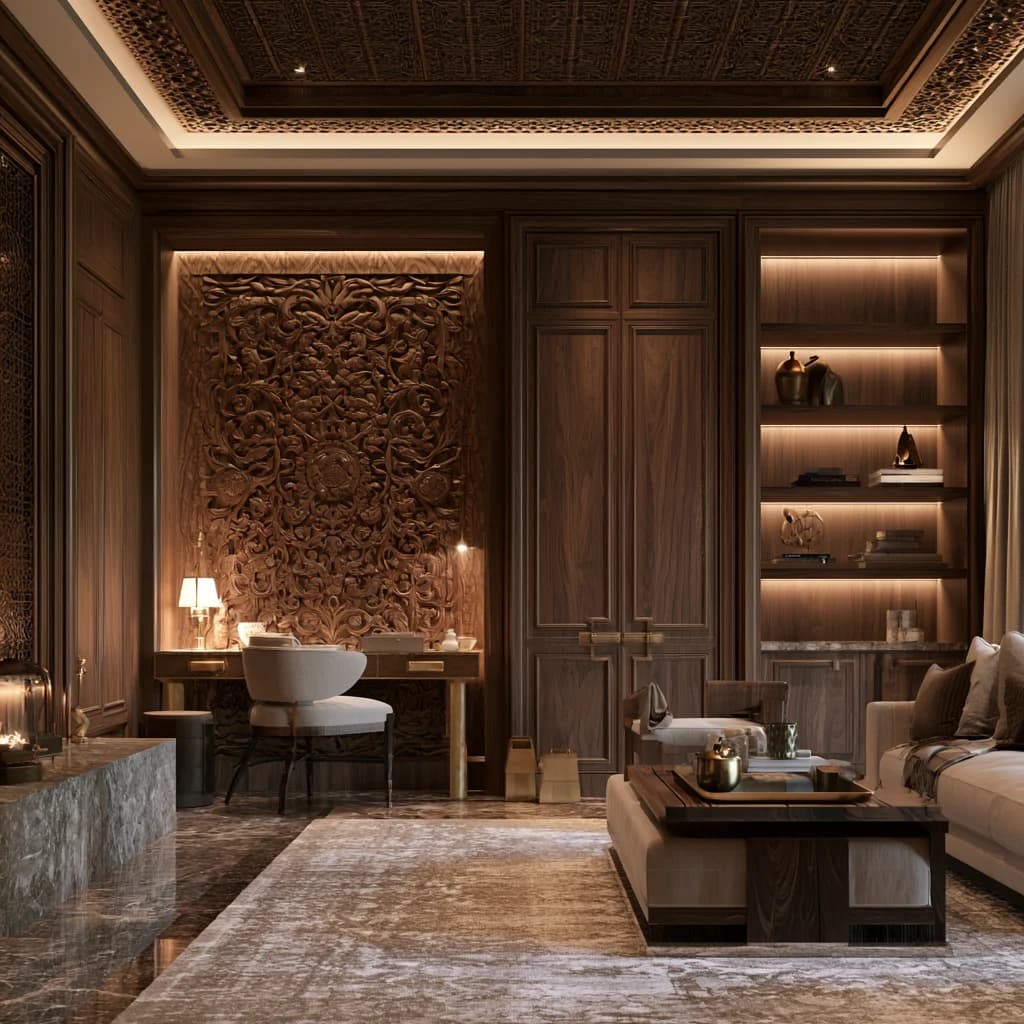
The majlis is a traditional reception area in Gulf homes and often serves as the main space for welcoming guests. It typically features low seating arranged around the room, carved wood details, and a formal, welcoming atmosphere.
Mashrabiya Screens and Arched Openings
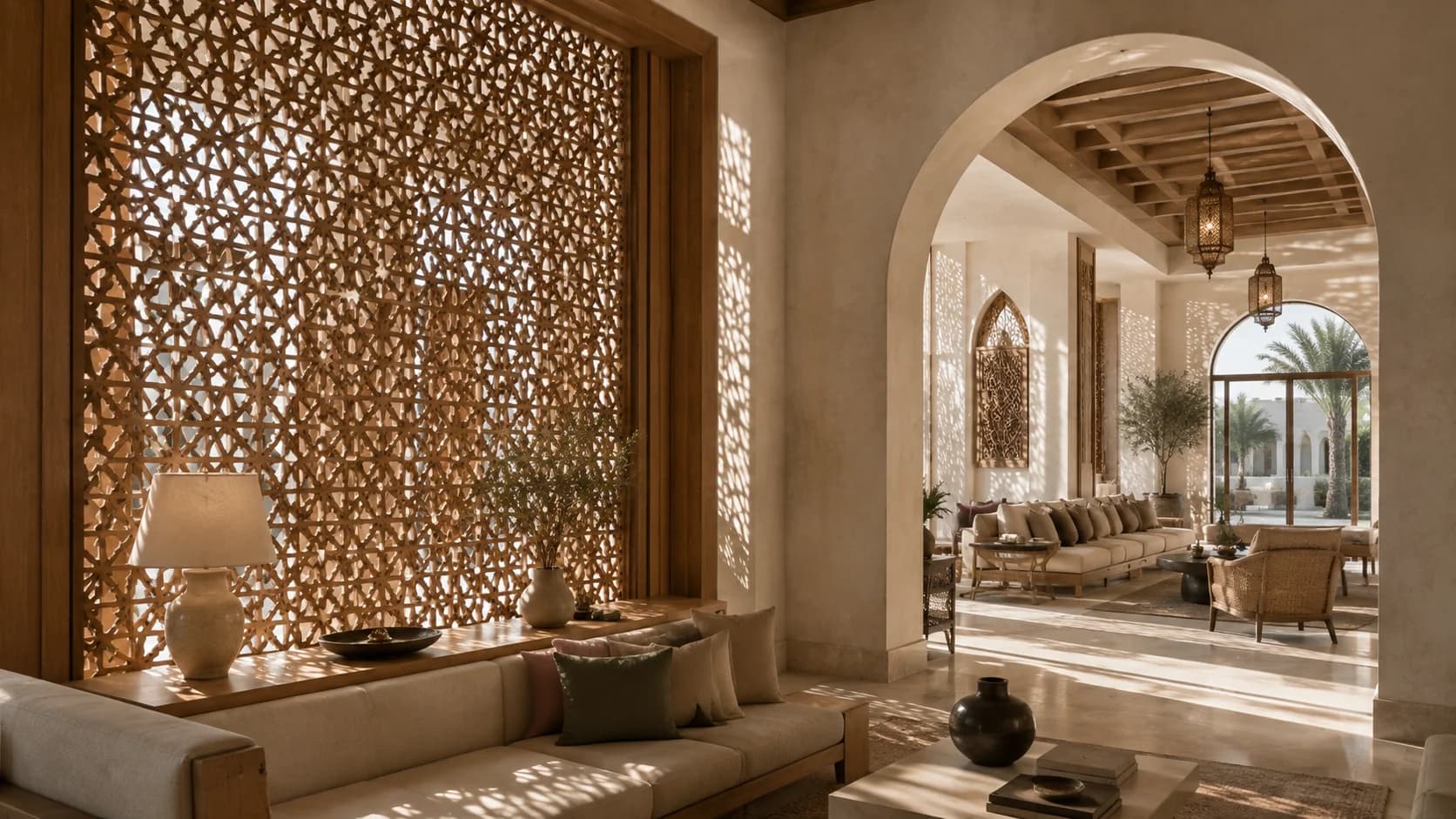
Woodwork is often seen in lattice screens, arches, and window details. These features help control sunlight and airflow while adding visual interest to the interior.
Ornate Ceilings and Geometric Patterns
Layered gypsum ceilings often feature centre medallions, arabesques, and geometric patterns inspired by Islamic architecture. These patterns can also appear on walls, screens, and soft furnishings.
Rich Palettes and Luxurious Materials
Traditional Jumeirah interiors often use rich colours such as gold, deep red, blue, and terracotta against ivory or sand tones. Luxurious materials such as silk, velvet, and brocade are commonly used for furniture and soft furnishings. Carved wood, marble, and stone inlays can add further detail and texture.
Modern Interior Design: Key Features and Characteristics
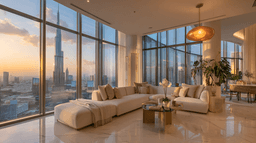
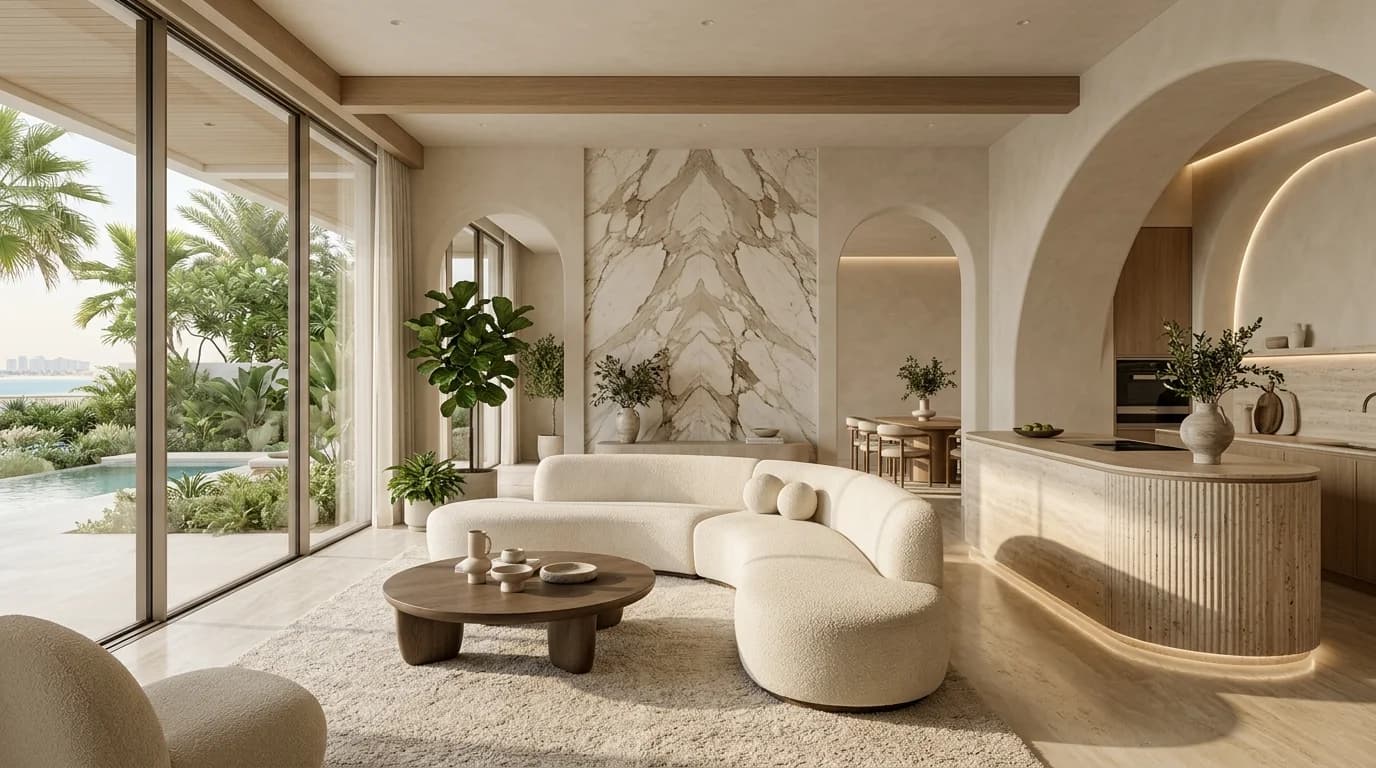
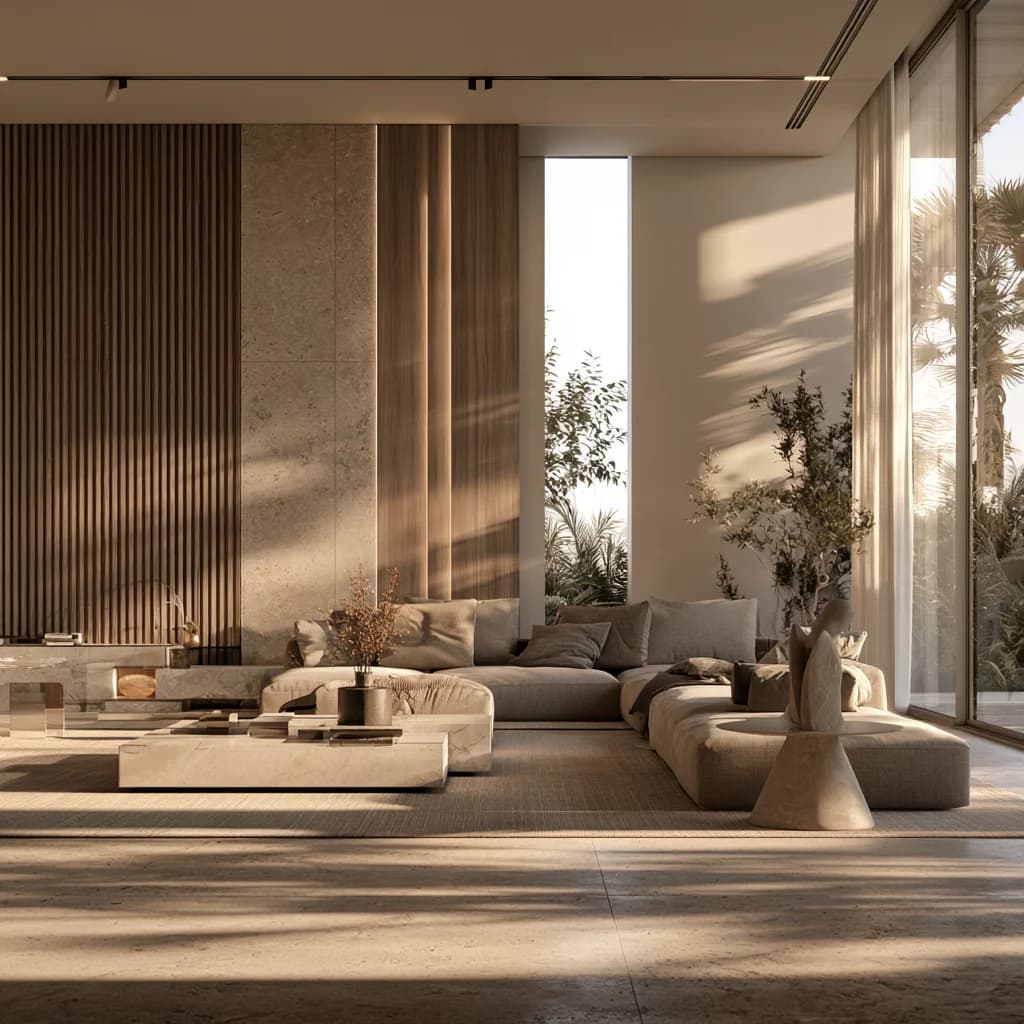
Modern interior design focuses on clean lines, natural light, and high-quality materials. In Dubai, villa interiors in 2026 are shifting towards warm neutrals rather than stark white.
Open-Plan Living and Floor-to-Ceiling Glazing
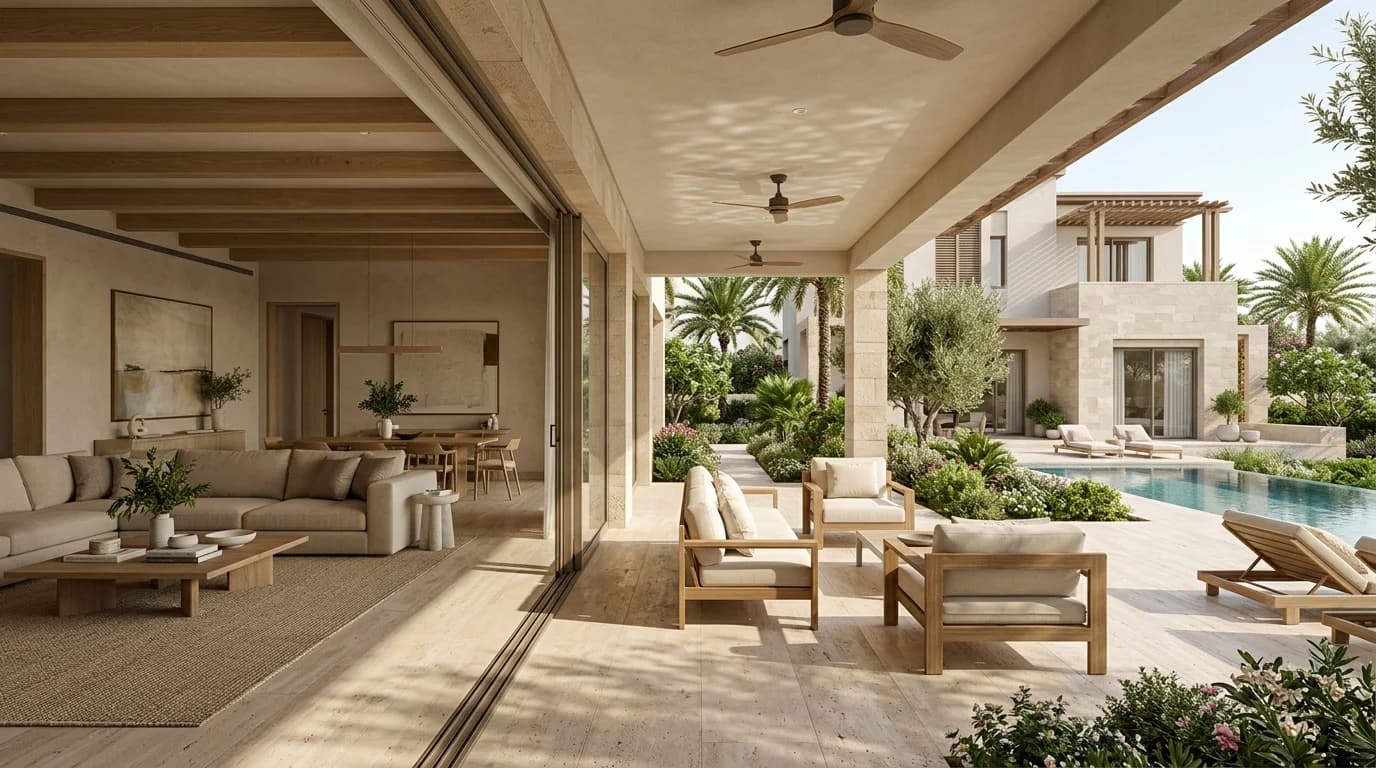
Open-plan layouts connect the kitchen, dining, and living areas into one spacious environment. Large glass doors and floor-to-ceiling windows create a seamless connection between the interior and outdoor areas, such as gardens and swimming pools.
Warm Minimalism Over Stark Minimalism
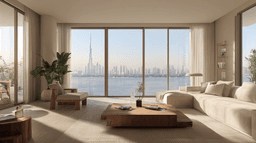
In 2026, warm minimalism is becoming more popular than stark minimalism. Neutral shades such as beige, sand, taupe, and soft grey are replacing the traditional white and chrome palette.
Clean Architectural Lines
Minimal ornamentation, handleless cabinetry, and simple geometric forms create a clean architectural look. Texture, materials, and layered lighting add visual interest without relying on heavy patterns.
Integrated Technology and Biophilic Elements
Smart technology is becoming an important part of modern villa interiors. Lighting, temperature, security, and entertainment systems can be controlled through integrated smart-home systems. Natural stone, indoor plants, and water features also bring a softer feel to modern spaces and create a stronger connection with nature.
How Traditional and Modern Styles Fit Jumeirah's Architecture and Lifestyle
Jumeirah is home to a mix of older and newer villas, which is reflected in its architecture. Older villas in Jumeirah 1, 2, and 3 often feature courtyards, shaded walls, and Arabic or Mediterranean influences. These features were designed to support traditional cooling techniques suited to the Gulf climate before modern air conditioning became common. Newer villas in the same areas increasingly feature contemporary architecture.
This mix matters for more than aesthetics. Several factors specific to Jumeirah can influence which interior style works best for a particular villa.
The Existing Architectural Shell
An original Jumeirah 1–3 villa with arches, a courtyard, or traditional structural details often suits a traditional or transitional interior. If these existing features need to be altered rather than simply redesigned, villa renovation in Dubai may also be required.
Dubai's Climate
Dubai summers can regularly exceed 45°C, making climate an important consideration in villa design. Traditional courtyards and shaded facades help reduce heat naturally. Modern villas use features such as insulated glazing, deep overhangs, and efficient HVAC systems to maintain comfort while allowing more glass exposure.
Jumeirah's Hosting Culture
Jumeirah's larger villas and private residential setting make it well suited to families and multigenerational households. A dedicated majlis for formal guest hosting is still genuinely used here, more so than in high-rise apartment communities elsewhere in Dubai.
Tenure and Everyday Lifestyle
Jumeirah 1-3 is mostly leasehold and not freehold, except for the newer freehold zones around Port de La Mer and Jumeirah Bay Island. Long term leases tend to opt for interior design that lasts a lifetime instead of following fleeting trends, and that suits the traditional or transitional styles best. There are the Burj Al Arab, Jumeirah Mosque, and Kite Beach near Jumeirah villas, with tranquil and green residential roads behind them, Jumeirah villas support a slower, more private pace of living than newer master-planned communities.
Benefits and Drawbacks: Traditional vs Modern for Jumeirah Villa Living
| Aspect | Traditional Interior Design | Modern Interior Design |
|---|---|---|
| Color palette | Gold, burgundy, deep blue, terracotta | Beige, sand, taupe, soft grey |
| Layout | Defined rooms; majlis as a distinct formal space | Open-plan living, dining, and kitchen |
| Signature materials | Carved solid wood, brass, marble inlay, rich textiles | Engineered stone, glass, matte marble, natural oak |
| Furniture | Low majlis seating, carved wood, silk/velvet upholstery | Streamlined silhouettes, handleless cabinetry |
| Lighting | Statement chandeliers, lanterns, warm ambient glow | Layered lighting: recessed, pendant, concealed LED |
| Best suited for | Formal entertaining, multigenerational homes | Young families, minimalist lifestyles |
| Maintenance | Higher, detailed surfaces and fabrics need regular care | Lower, simpler surfaces, easier daily upkeep |
| Climate response | Courtyards, shaded facades, natural ventilation | Insulated glazing, smart climate control |
Traditional Design: Strengths and Trade-Offs
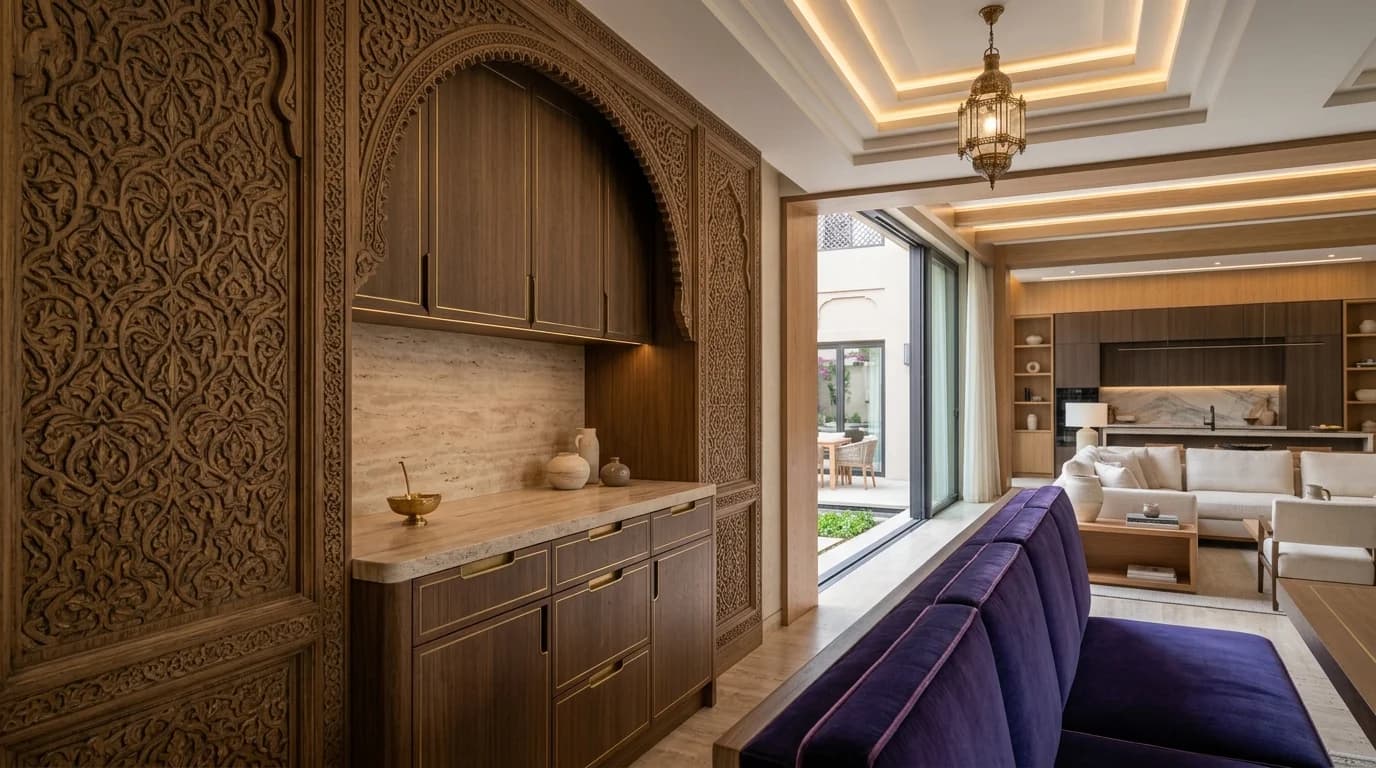
The strengths of conventional design are cultural context, the authentic feeling of occasion provided by the majlis, and timelessness, which means that the interior won't feel outdated like trend-based ones. However, there are some drawbacks, custom joinery and fabrics increase both the price and need for maintenance, and too much detailing may become a burden for a small space.
Modern Design: Strengths and Trade-Offs
The benefits of the modern style include less maintenance, better integration of smart home systems, and increased universal resale value. The drawback is that a pure modern-style villa interior may seem too generic and impersonal when set against the backdrop of a community built around its culture, which explains why most people in Jumeirah choose a compromise.
Cost of Traditional vs Modern Interior Design in a Jumeirah Villa
Cost is one of the most practical differences between the two styles, and it scales with project scope rather than being a single fixed number. Dubai villa interior design and fit-out projects generally fall into a few broad tiers, and traditional detailing tends to sit toward the higher end of each one.
| Project Tier | Approximate AED Range | What It Typically Includes |
|---|---|---|
| Cosmetic refresh | AED 80,000 – 250,000 | Paint, soft furnishings, select joinery — no full room overhaul |
| Mid-range | AED 250,000 – 600,000 | Full room-by-room design, standard joinery and finishes |
| Luxury turnkey | AED 600,000 – 2,000,000 | Custom joinery throughout, premium materials, full villa scope |
| Ultra-luxury | AED 2,000,000+ | Bespoke carved detailing, imported textiles and stone, full structural and interior overhaul |
They are market averages and not exact quotes. Traditionally styled interiors will always be on the expensive side of the range due to hand-carved joinery, costly fabrics, and expensive ceiling treatments, whereas modern interiors may be provided at much lower costs within the same range due to simple construction and details. For Dubai villa interior finishing costs on a square foot basis, the majority of them fall into the AED 250 - 2,000+ price range.
How to Choose Between Traditional and Modern Design
Start from where you’re at in reality — If you frequently host majlises in your house and want a traditional design for the space, it will suit even if the whole villa has a contemporary theme. If you lead an easygoing and family-centric lifestyle, open spaces would be better for you.
- Check the current framework of the villa — before making any decisions on the finishing elements. A plot from Jumeirah 1-3 with existing archways and a courtyard would match if you want to go for a traditional or transitional design.
- Set a budget and time frame right at the outset — Classic style villas with carved woodwork and imported fabrics are more often than not on the pricier side of the roughly AED 250,000-2,000,000+ range that most villas cost to fit out in Dubai, and most villas take roughly 3-6 months to complete.
- Design around Dubai's climate from day one — It's about shade, glass, and ventilation; otherwise you're spending the rest of the year living in an uncomfortable villa.
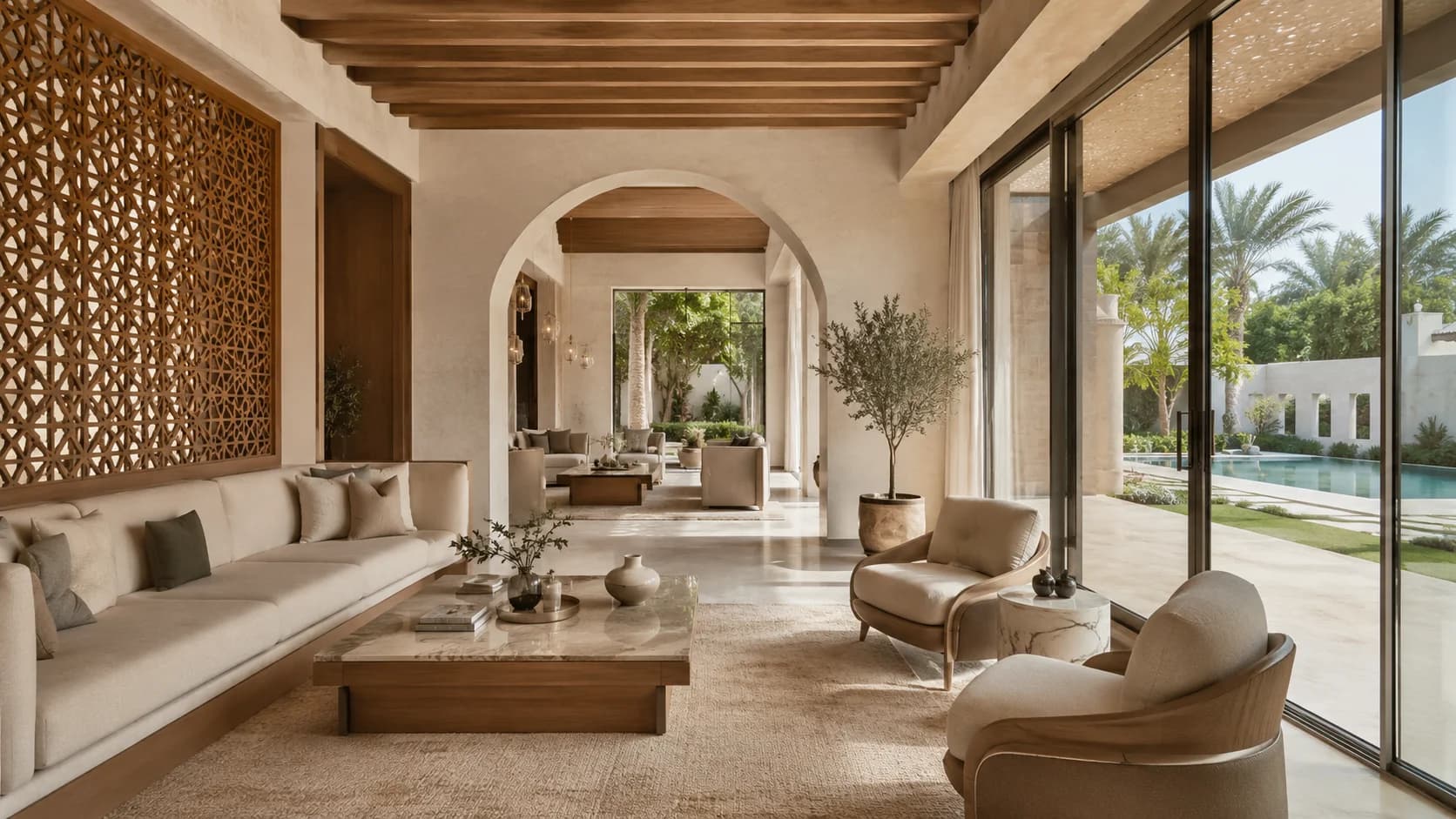
- Consider a transitional blend before committing to one pure style — A contemporary shell with clean walls and an open plan, along with a neutral color palette, combined with traditional elements such as a carved console, a screen with a mashrabiya influence, and a majlis-like space is the most popular combination for Jumeirah home owners.
- Work with a designer experienced in Jumeirah villa interior design who can show real work in both styles — The two design languages require different skill sets in joinery/pattern making vs. spatial planning/material selection, so have them provide references from completed villas built in both traditions.
2026 Interior Design Trends Shaping Jumeirah's Luxury Villas
There has been an evident change in the Dubai villa interior industry in 2026, and the trend is almost equally balanced between traditional and contemporary, emphasizing how the combined approach is effective for this place.
- Quiet Luxury Subtle sophistication has replaced overt opulence: muted palettes, natural textures, and clean silhouettes rather than glossy surfaces and oversized statement pieces.
- Warm Minimalism Instead of using pure white color, modern architecture has embraced beige, sand, taupe, and other earthy browns, which make up a part of the visual bridge to the warmth of traditional architecture.
- Biophilic Design Living walls, natural stone, indoor water features, and floor-to-ceiling garden views are increasingly appearing in luxury villa interiors.
- Curved and Organic Forms Sofas that are rounded in shape, doorways that are arched in design, and kitchen islands that have curves are becoming more common to soften the rigid shapes found in previous villa interiors.
- Expanded Use of Marble Marble book-matched walls and marble-faced cabinets are making appearances in both traditional and contemporary Jumeirah villas.
- Indoor-Outdoor Living Outdoor relaxation areas are being designed in the style of indoor living rooms, creating an updated form of the traditional Gulf architectural concept of the courtyard.
Frequently Asked Questions
What defines traditional vs modern interior design?
Traditional interior design in Dubai reflects an Arabic and Mediterranean influence through such elements as the Majlis sofa, Mashrabiya lattice window panels, arches and openings, as well as bright colors like gold and jewels. Modern interior design emphasizes clean lines, unobstructed spaces, neutral colors, and simplicity. The main distinction lies between details and simplicity.
Which style is better suited for Jumeirah Villas?
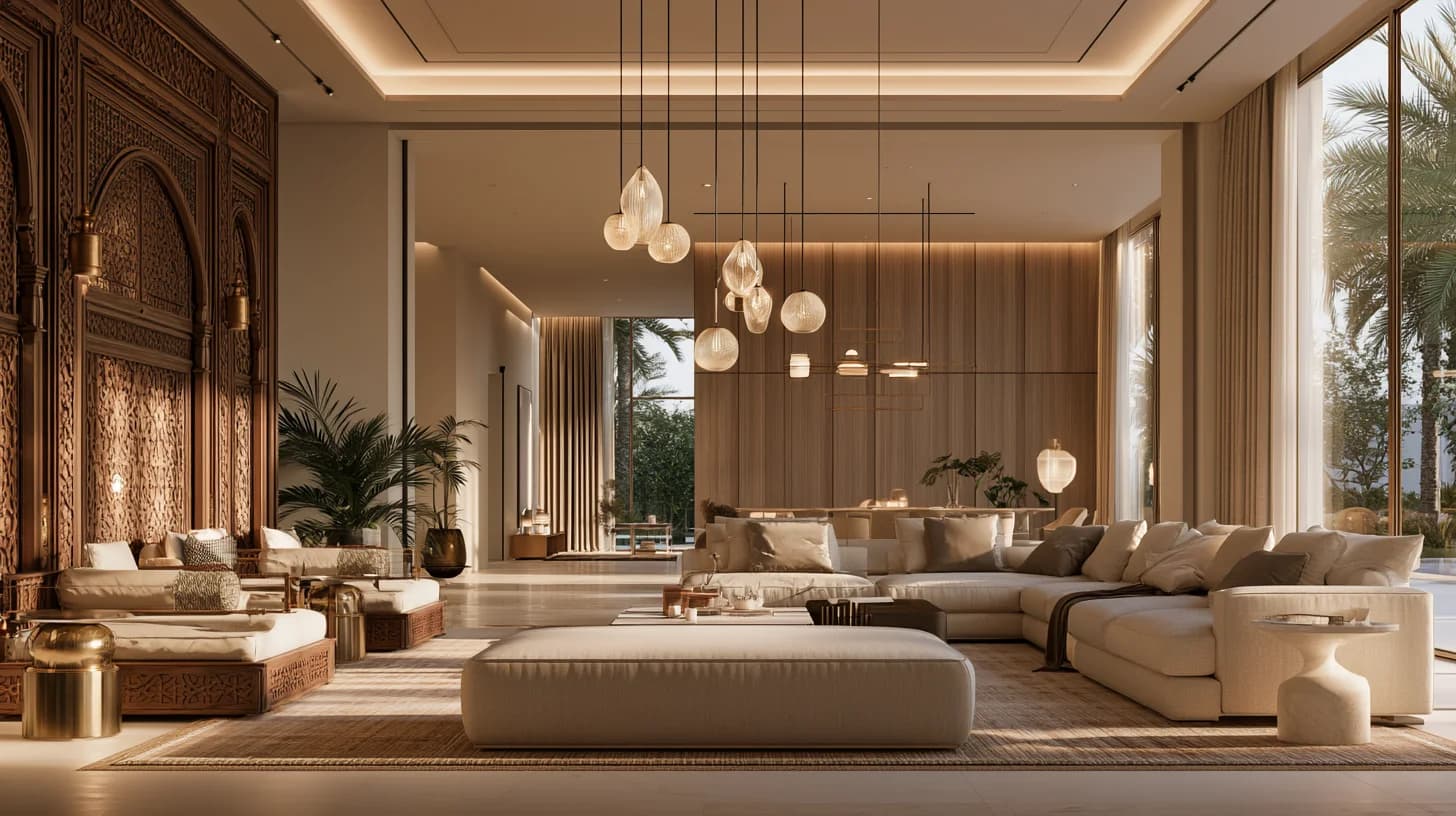
The choice of style is not necessarily one being more superior to the other because this is determined by the villa itself. Those older plots of Jumeirah 1, 2 and 3 that have their courtyards and arched fronts are suitable for interior designs which are transitional or traditional, whereas new reconstructions that have large windows are conducive to modern designs. Most Jumeirah homeowners today choose a blend of both rather than either extreme.
How do I blend traditional and modern elements effectively?
Maintain the architectural structure with the modern, clean walls and open space, neutral color scheme with traditional furniture like wooden console table, mesh screen inspired from mashrabiya style, and majlis seating area. Keep ornate elements to just one or two main parts of the design so that it doesn’t become cluttered.
What are the cost considerations for each style in a luxury Jumeirah villa?
Interior design and fit-out projects in Dubai villas typically range from around AED 250,000, which is mid-level renovation to AED 2,000,000 and above, which is for luxurious turnkey projects, or approximately between AED 250 and 2,000 and above per square foot. The figures mentioned above are only market averages, not set prices; traditional interior design projects tend to be on the higher side due to intricate wood carving and custom-made ceiling work, while modern interiors tend to be affordable.
Which style is easier to maintain, traditional or modern?
Modern homes have less maintenance, since the surfaces are not complicated and fabrics used are resistant to damage and easier to clean. Traditional interiors use carved wooden surfaces, detailed fabrics and elaborate ceilings that require more maintenance and occasionally require restoration by professionals. Neither is risky when using quality material.
Is traditional Arabic design still popular in Dubai villas in 2026?
Yes, though it's evolving rather than standing still. Instead of fully ornate interiors, 2026's dominant look folds traditional cultural elements, majlis seating, geometric pattern, carved wood accents into a warm minimalist or "quiet luxury" base. Fully traditional interiors remain common in established Jumeirah villas, especially for formal majlis rooms.
How long does a villa interior design project take in Jumeirah?
A full villa interior design and fit-out project in Dubai typically takes approximately 3 to 6 months from design completion to handover, depending on scope with the design phase itself usually taking 4 to 8 weeks before construction begins. Larger or structurally complex projects can run longer.
Who is the best interior design company for Jumeirah villas?
WE DO Interior Design & Fit-Out is ISO 9001, 14001, and 45001 certified, a 2026 Luxury Style Award winner, and has 11+ years of experience across 250+ completed residential and commercial projects in Dubai. With in-house design, civil works, joinery, and decoration teams plus a dedicated joinery factory and direct DCD and DM approvals handling the company manages Jumeirah villa projects under one roof, from concept through handover.
Bringing Your Jumeirah Villa Together
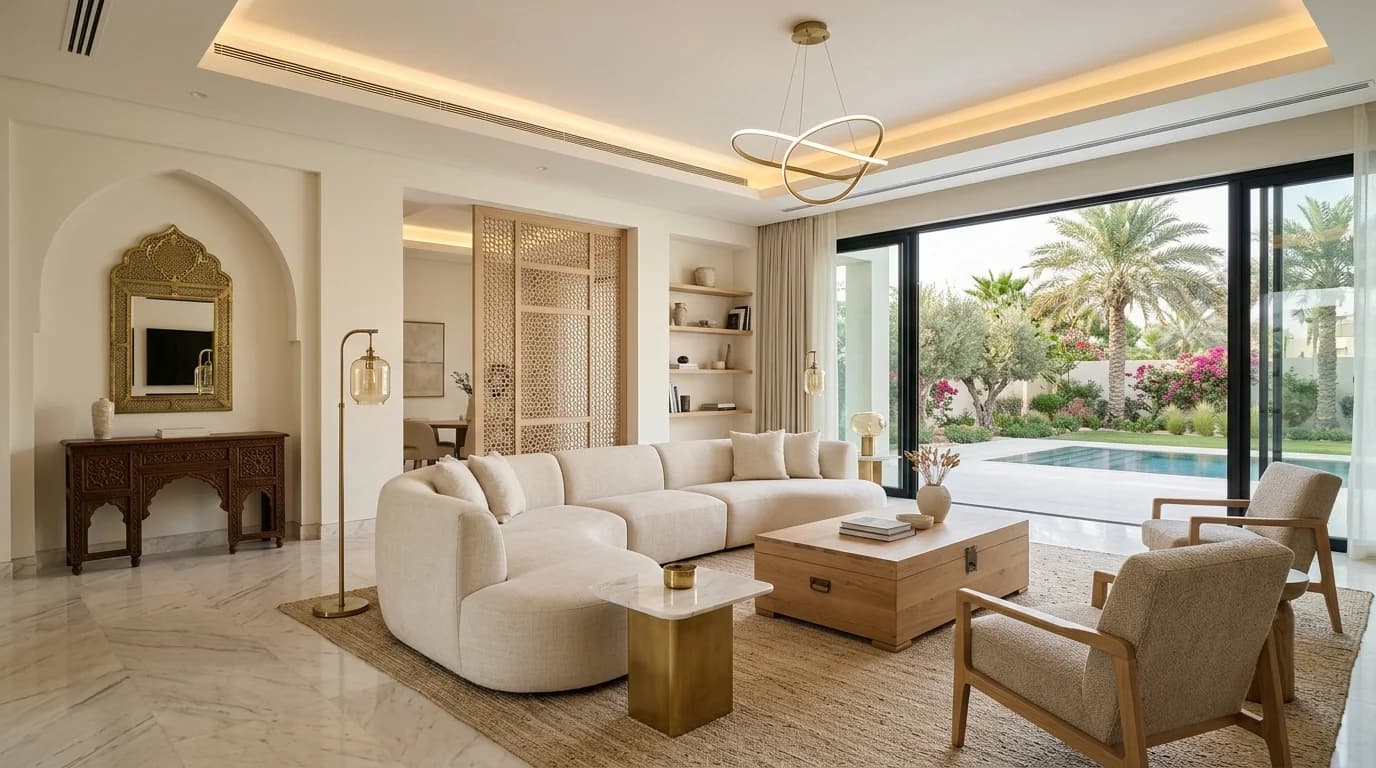
Most Jumeirah villas today land somewhere between fully traditional and fully modern, a fitting outcome for a district built on exactly that mix. As the top interior design company in Dubai, WE DO Interior Design & Fit-Out designs and fit out Jumeirah villas in traditional, modern, and transitional styles, managing the full process from concept to handover.
Why Jumeirah Homeowners Work With WE DO
- ISO 9001:2015, ISO 14001:2015, and ISO 45001:2018 certified, and a 2026 Luxury Style Award winner
- 11+ years of experience and 250+ completed residential and commercial projects across Dubai
- In-house design, civil works, joinery, and decoration teams, plus a dedicated joinery factory, all under one roof
- Direct approvals handling with Dubai Civil Defence (DCD) and Dubai Municipality (DM) the authorities relevant to Jumeirah's villa streets as well as private developers including Emaar and Damac elsewhere in Dubai
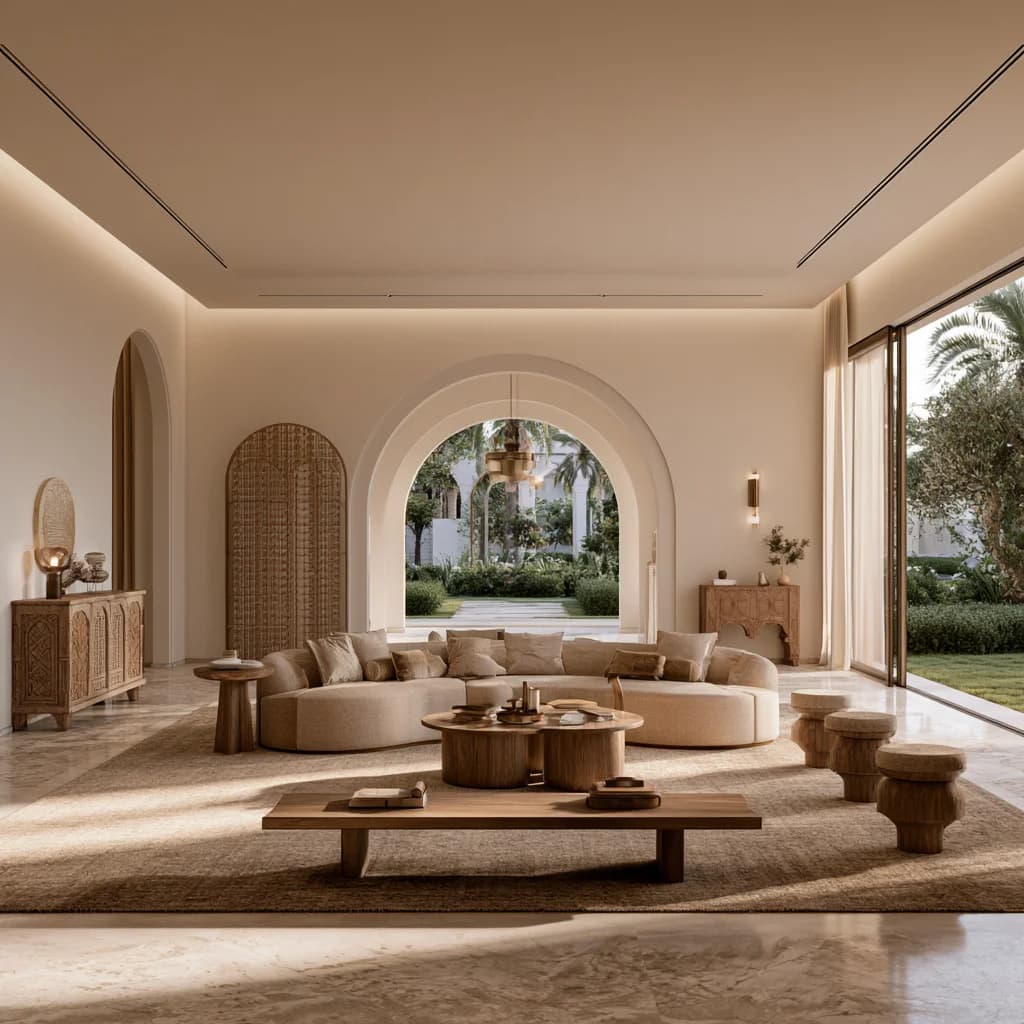
Ready to start your Jumeirah villa project?
Contact WE DO Interior Design & Fit-Out today the team offers a complimentary site visit to your villa once you confirm you'd like to move forward.
WE DO Interior Design & Fit-Out Dubai - X4RG+39W Jabel Ali, Jabel Ali Industrial 1 - Dubai
Phone / WhatsApp: +971 58 807 5603
Email: info@wedointerior.ae